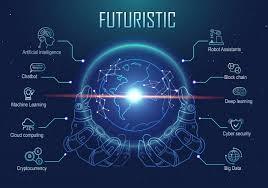
machine learning skills Machine learning is one of the most in-demand skills in today’s technology-driven world. However, becoming a successful machine learning professional requires mastering several technical and analytical skills.
machine learning skills
Understanding which skills to learn can help aspiring professionals prepare effectively for machine learning careers.Essential machine learning include proficiency in Python, strong foundations in applied mathematics (linear algebra, calculus, statistics), and expertise in libraries like Scikit-learn, TensorFlow, or PyTorch. Core competencies also involve data manipulation (Pandas/NumPy), SQL, model deployment, and understanding algorithms like decision trees, neural networks, and NLP
Programming Skills
Programming is essential for building and training machine learning models.
The most important languages include:
-
Python
-
R
-
Java
-
Julia
Python is the preferred language due to its extensive machine learning libraries.
Mathematics and Statistics
Machine learning algorithms rely heavily on mathematical concepts such as:
-
Linear algebra
-
Probability
-
Statistics
-
Calculus
These topics help professionals understand how algorithms work and how to optimize them.
Data Handling Skills
Machine learning professionals spend a significant amount of time working with data.
Key tasks include:
-
Data cleaning
-
Feature engineering
-
Data visualization
-
Data preprocessing
Tools like Pandas and NumPy simplify these tasks.
Deep Learning Knowledge
Deep learning is a specialized branch of machine learning used in advanced applications such as:
-
Natural language processing
-
Computer vision
-
Autonomous systems
Frameworks like TensorFlow and PyTorch are widely used for deep learning development.
Cloud Computing
Modern machine learning systems often run on cloud platforms such as:
-
AWS
-
Google Cloud
-
Microsoft Azure
Understanding cloud infrastructure helps professionals deploy scalable ML solutions.
Problem-Solving Skills
Machine learning projects involve complex challenges, so professionals must have strong analytical thinking and problem-solving abilities.
Continuous Learning
Machine learning evolves rapidly, so staying updated with new research, tools, and techniques is essential for career growth.
Conclusion
Building a successful machine learning career requires mastering programming, mathematics, data analysis, and modern AI frameworks. By developing these skills and working on real-world projects, professionals can become highly valuable in the AI industry.