The internet has evolved dramatically over the past few decades. From static web pages to interactive social platforms, each stage of the web has reshaped how we communicate, work, and do business. Today, we are entering a new phase known as Web 3.0, often described as the decentralized internet.
To understand Web 3.0, it helps to look at what came before it. Web 1.0 was the “read-only” web. Users could consume information, but interaction was limited. Web 2.0, which dominates today, introduced social media, cloud services, and user-generated content. While Web 2.0 made the internet more interactive, it also centralized power in the hands of a few large corporations that control data, platforms, and monetization.
What is Web 3.0
Web 3.0 aims to change that.
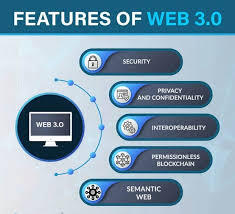
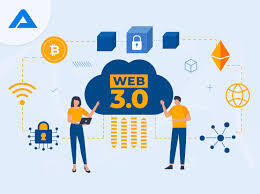
At its core, Web 3.0 is built on blockchain technology, which allows data and value to be stored and transferred without relying on centralized authorities. Instead of trusting a company, users trust cryptography, smart contracts, and decentralized networks.
One of the defining features of Web 3.0 is user ownership. In today’s internet, platforms own your data. In Web 3.0, users own their digital assets, identities, and content through cryptographic wallets. Whether it’s cryptocurrency, NFTs, or decentralized profiles, ownership is transparent and verifiable.
Another major pillar of Web 3.0 is decentralization. Applications (called dApps) run on blockchain networks rather than centralized servers. This makes them more resistant to censorship, outages, and single points of failure. Even if one node goes offline, the network continues to operate.
Smart contracts are another critical component. These are self-executing programs stored on the blockchain that automatically enforce rules and agreements. For example, a smart contract can release payment once a service is completed, without needing a bank or intermediary.
Web 3.0 also emphasizes trustless systems. This doesn’t mean there is no trust; it means trust is placed in transparent code rather than institutions. Anyone can inspect the blockchain and verify transactions independently.