Blockchain security and transparency are two of the biggest challenges in today’s digital world. Data breaches, fraud, and unauthorized access are common across centralized systems. Blockchain technology addresses these challenges by offering a decentralized and cryptographically secure framework for digital transactions.
In traditional systems, data is stored on centralized servers. If that server is compromised, all stored information is at risk. Blockchain removes this single point of failure by distributing data across a network of nodes. Each node holds a copy of the ledger, making it extremely difficult for hackers to manipulate the system.
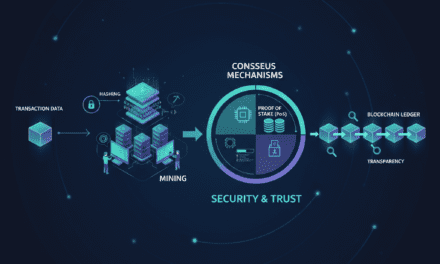
Blockchain uses cryptographic hashing to secure data. Every transaction is encrypted and linked to previous transactions. If someone attempts to alter a transaction, the hash changes, alerting the network immediately. This makes blockchain tamper-resistant.
Transparency is another key strength. Blockchain networks allow participants to view transaction histories in real time. This visibility helps prevent fraud and promotes accountability. In public blockchains, anyone can verify transactions without needing permission.
Blockchain security and transparency
Blockchain technology enhances digital transaction security and transparency through a decentralized, immutable, and cryptographic ledger system. By removing central authorities,
Consensus mechanisms play a critical role in blockchain security. They ensure that all nodes agree on the validity of transactions before adding them to the ledger. Proof of Stake, for example, validates transactions based on token ownership, reducing energy consumption while maintaining security.
Smart contracts further enhance transparency. These are self-executing agreements written into code. Once conditions are met, the contract executes automatically, eliminating the need for intermediaries and reducing disputes.
Industries like banking, voting systems, and supply chains benefit significantly from blockchain’s security features. Governments are exploring blockchain-based voting to prevent election fraud, while businesses use it to track product authenticity.
As cyber threats continue to evolve, blockchain offers a future-proof solution that prioritizes trust, transparency, and data integrity.