
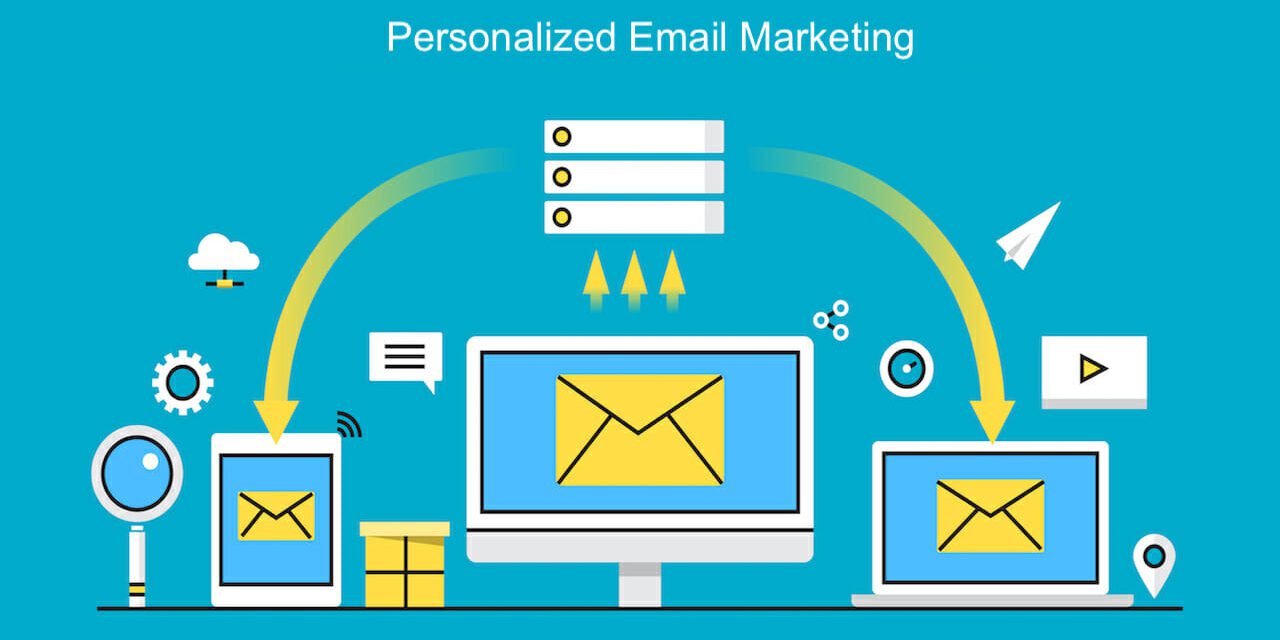
Email Personalization Strategies expect personalized experiences. Generic emails no longer perform well.In 2026, high-engagement email personalization moves beyond basic name-tagging to AI-driven, hyper-personalized experiences, utilizing first-party data and behavioral triggers. Key strategies include AI-powered content curation, interactive elements (quizzes/polls), individualized send-time optimization, and minimalist designs. Key to success is balancing automation with human-like, conversational tone.
Email Personalization Strategies
There are a lot of similarities between how businesses interact with clients, and how individuals interact with each other. Take dating, for example. When attempting to establish a possible relationship the initial messaging — as shared through eye contact, introductory conversations, body language, etc. — is vital. It shares valuable information about those involved, and helps those involved make informed decisions about the relationship. When the initial messaging is forgettable and impersonal, the recipient will be unlikely to respond favorably. Overused pick-up lines don’t score dates, and spammy, impersonal marketing content won’t score customers.
What is Email Personalization?
Email personalization is a dynamic way to deliver individualized content to your customers based on their data. By gathering and analyzing relevant information businesses can craft email messaging that is personally applicable to individual customers. This results in emails that feel less like a sales pitch, and more like the beginning of a conversation. Customers crave this kind of personal connection. Experian reports that not only is personalization proven to lift transaction rates and revenue, personalized promotional mailings have 29% higher unique open rates and 41% higher unique click rate.
Email Personalization Strategies
Beyond First Name Personalization
True personalization includes:
- Behavioral targeting
- Purchase history
- Location-based offers
- AI product recommendations
Dynamic Content Blocks
Dynamic emails display different content to different segments automatically.
Example:
- New subscriber → Educational content
- Repeat buyer → Upsell offer
AI-Powered Personalization
AI can:
- Predict buying behavior
- Optimize subject lines
- Recommend products
- Adjust send time
Hyper-Segmentation
Create micro-segments based on:
- Website visits
- Cart activity
- Engagement level
- Industry
Smaller segments mean higher relevance.
Privacy and Trust
Respect data privacy laws (GDPR, CAN-SPAM). Transparency builds long-term trust.
Conclusion
Email personalization in 2026 is data-driven and AI-enhanced. When done correctly, it increases engagement, builds loyalty, and drives revenue growth.


