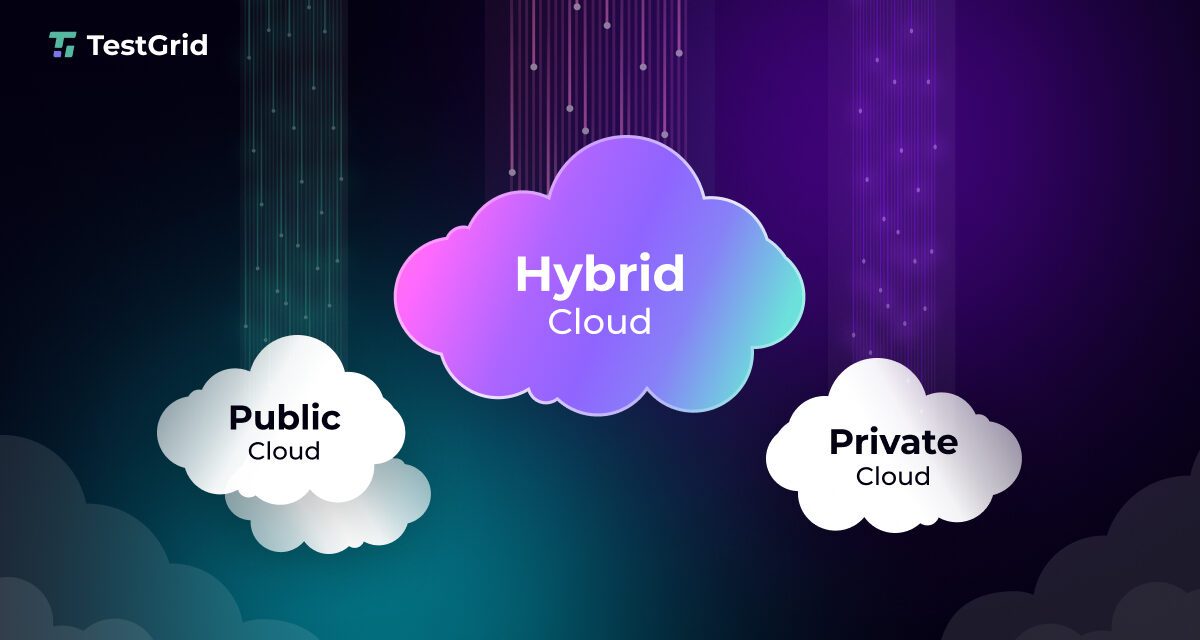
Types of cloud computing Public cloud (e.g., AWS, Azure) offers high scalability, lower upfront costs, and pay-as-you-go pricing. Private cloud provides maximum control, compliance, and security for sensitive data
Choosing the right cloud model is a crucial decision that impacts cost, security, and performance.
Types of cloud computing
Public Cloud Public clouds are cost-effective and scalable, making them ideal for startups and small businesses.
- Best for: Startups, small-to-mid-sized businesses, and projects with fluctuating workloads.
- Pros: Low upfront investment (pay-as-you-go), near-unlimited scalability, and no hardware maintenance.
Private Cloud Private clouds offer greater control and security, often used by regulated industries.
Hybrid Cloud
Hybrid cloud combines both models, allowing organizations to balance flexibility and compliance.
Factors to Consider
Key factors include data sensitivity, budget, compliance requirements, and scalability needs.
Conclusion
There’s no one-size-fits-all solution. The right cloud model depends on your organization’s goals and operational needs.
- Public Cloud: Best for startups, web apps, and unpredictable traffic needing rapid scaling without managing infrastructure.
- Private Cloud: Best for large enterprises, banking, or healthcare requiring strict compliance, high security, and full control over infrastructure.
- Hybrid cloud combines both for flexibility, allowing sensitive data to stay private while leveraging public cloud for high-volume, dynamic workloads.
- Ultimately, a hybrid cloud is increasingly popular because it allows organizations to keep critical applications on a private cloud while using the public cloud for less sensitive, scalable tasks.
Hybrid Cloud: The “Flexible” Hybrid
- Best for: Businesses undergoing digital transformation or those with mixed security and scalability needs.
- Pros: Flexibility to keep sensitive data private while “bursting” to the public cloud for traffic spikes; optimizes cost and performance.