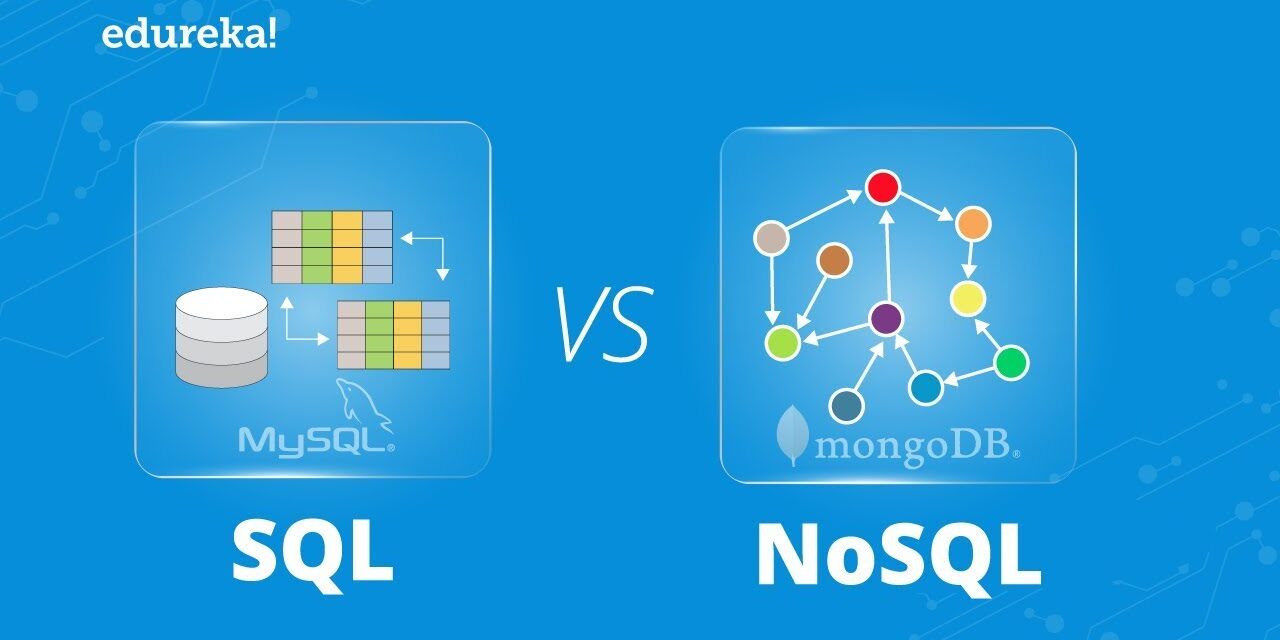
Types of Databases come in many forms, each designed for specific data storage and processing needs. Choosing the right type of database is critical for performance, scalability, and reliability.Databases can be broadly categorized into SQL (relational) and NoSQL (non-relational) systems, each suited for different use cases based on data structure, scalability, and consistency needs.
This article explains the main types of databases in simple language, helping you understand where each one fits best.SQL databases, also known as Relational Database Management Systems (RDBMS), store data in structured tables with predefined columns and rows, using foreign keys to link related data across tables.
- Wide-Column Stores: Organize data into columns rather than rows, suitable for large datasets with sparse attributes, such as log data and large-scale analytics. Examples: Apache Cassandra, HBase.
- Graph Databases: Use nodes and edges to represent and store information, focusing on the relationships between data points. They are optimal for social networks, fraud detection, and recommendation engines. Examples: Neo4j, OrientDB.
Types of Databases
- Relational Databases (SQL)
Relational databases store data in structured tables and use SQL for queries.
Key Features
- Fixed schema
- ACID compliance
- Strong data integrity
Examples
- MySQL
- Oracle
- Microsoft SQL Server
Best Use Cases
- Banking systems
- Enterprise applications
- Inventory management
- NoSQL Databases
NoSQL databases handle large volumes of unstructured data.
Types of NoSQL Databases
- Document-based (MongoDB)
- Key-value (Redis)
- Column-based (Cassandra)
- Graph-based (Neo4j)
Best Use Cases
- Big data analytics
- IoT applications
- Real-time apps
- Cloud Databases
Cloud databases are hosted on cloud platforms.
Benefits
- Automatic scaling
- High availability
- Lower infrastructure cost
Examples
- Amazon RDS
- Google Cloud Firestore
- Azure SQL Database
- Distributed Databases
Data is stored across multiple locations.
Advantages
- Fault tolerance
- Faster access
- Global availability
Conclusion
Understanding different types of databases helps organizations select the right solution for their data needs. As technology evolves, hybrid database models are becoming increasingly popular.Many modern organizations adopt a hybrid approach, using both SQL and NoSQL databases depending on the specific data requirements of different application components.