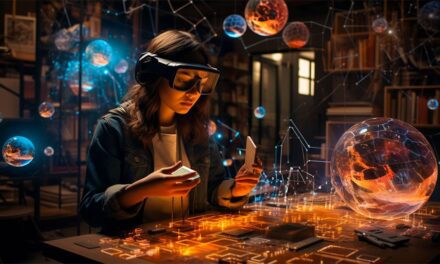
What is spatial computing is one of the most exciting shifts in how humans interact with technology. Instead of being confined to screens, spatial computing allows digital content to exist and respond within the physical world around us. It blends the digital and physical into a single, interactive environment—changing how we work, learn, shop, and collaborate. At its core, spatial computing refers to technology that understands space and allows computers to interact with the real world in three dimensions.
Understanding the Core Technologies
Augmented Reality (AR) overlays digital elements—such as text, images, or 3D objects—onto the real world. You’ve likely experienced AR through smartphone apps, social media filters, or navigation tools that project directions onto streets. AR enhances reality rather than replacing it.
Virtual Reality (VR), on the other hand, immerses users in a fully digital environment. Using a headset, the physical world is completely blocked out, allowing users to explore simulated spaces. VR is commonly used in gaming, training simulations, and virtual tours.
Mixed Reality (MR) sits between AR and VR. It allows digital objects to interact with the real world in real time. For example, a virtual object can sit on a physical table, respond to lighting conditions, or be manipulated with hand gestures. MR relies heavily on sensors, spatial mapping, and advanced computing power.
What is spatial computing
How Spatial Computing Works
Spatial computing systems rely on a combination of technologies:
- Sensors and cameras to map physical environments
- Computer vision to recognize objects and gestures
- AI algorithms to interpret user behavior
- 3D engines to render realistic digital content
In education, students can explore 3D models of the human body or historical landmarks. In retail, customers can visualize furniture in their homes before buying.
Why Spatial Computing Matters
Spatial computing represents a shift from passive interaction to experiential computing. Instead of clicking or tapping, users can point, move, speak, and interact naturally. This has massive implications across industries.